There’s no better way to get some exercise, fresh air, and escape from civilization (at least for a few hours) than going for a hike in the wilderness. However, novices tend to underestimate the dangers that come with being ill-prepared. It’s easy to assume that hiking emergencies must be caused by some dramatic, once-in-a-lifetime event. But in reality, they tend to be relatively uncomplicated problems, like getting lost, forgetting to pack enough water, slipping on a rocky trail, or overexerting yourself.
Fortunately, these dangers are completely preventable with a little preparation and a willingness to turn around when things start getting dicey. Here are 6 hiking dangers and how to avoid them.
Top Hiking Danger No. 1: Getting Lost
You’d be surprised how common it is for hikers to get lost. Search and Rescue teams routinely respond to hikers who’ve strayed off the trail or didn’t realize how difficult navigation would be. It’s completely understandable that such situations occur. You search online for a promising trail, and when you hike it, you assume retracing your steps will be easy. Then the trail becomes faint, or you take what you assume is an obvious shortcut. Before you know it, the landscape looks unfamiliar, and you can’t remember which direction you came from.
A smartphone with a hiking app is useful, but you should never rely on it as your sole navigation tool. After all, batteries die, phones get dropped and screens shatter, GPS signals can be unreliable in remote areas. So before you leave, study a map, familiarize yourself with the train, and pay attention to landmarks along the way. Bring along a paper map and compass, and know how to use them. It would also be wise to let someone know where you’re going, including your planned route and when you plan on returning. That way, if you don’t return as expected, they’ll have useful information to give Search and Rescue.
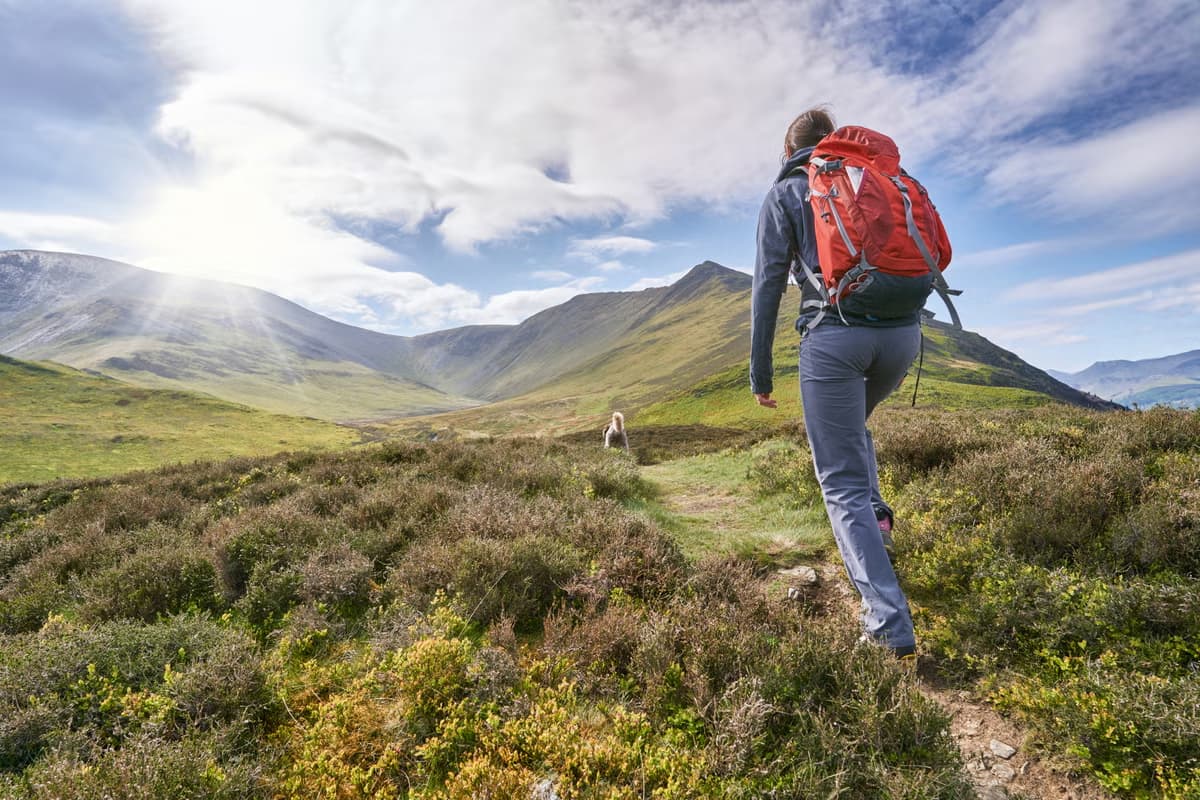 Top 6 Hiking Dangers
