The Pasta “Rule” That’s Actually Ruining Your Sauce (2 of 3)
Advertisement
What Actually Makes Pasta Stick?
Pasta becomes sticky because it releases starch as it cooks. This is especially noticeable during the first minute or two, when the surface starches begin to swell and soften.
If the pasta is dropped into the pot and left completely alone while you watch TV or start gaming, the pieces can settle against each other or the bottom. Those sticky noods then bond together, creating the “clump.” And nobody likes to eat a clump of noodles for dinner.
But since oil doesn’t help, what does? Just start stirring. Yup, it’s that simple. Give the pasta a good stir shortly after adding it to the boiling water, and keep it up for at least 30-40 seconds. For longer shapes such as spaghetti or linguine, gently move them around as they soften faster.
You don’t need to stand over the pot stirring nonstop. Another swirl or two during cooking is usually enough to keep everything moving and help the pasta cook evenly.
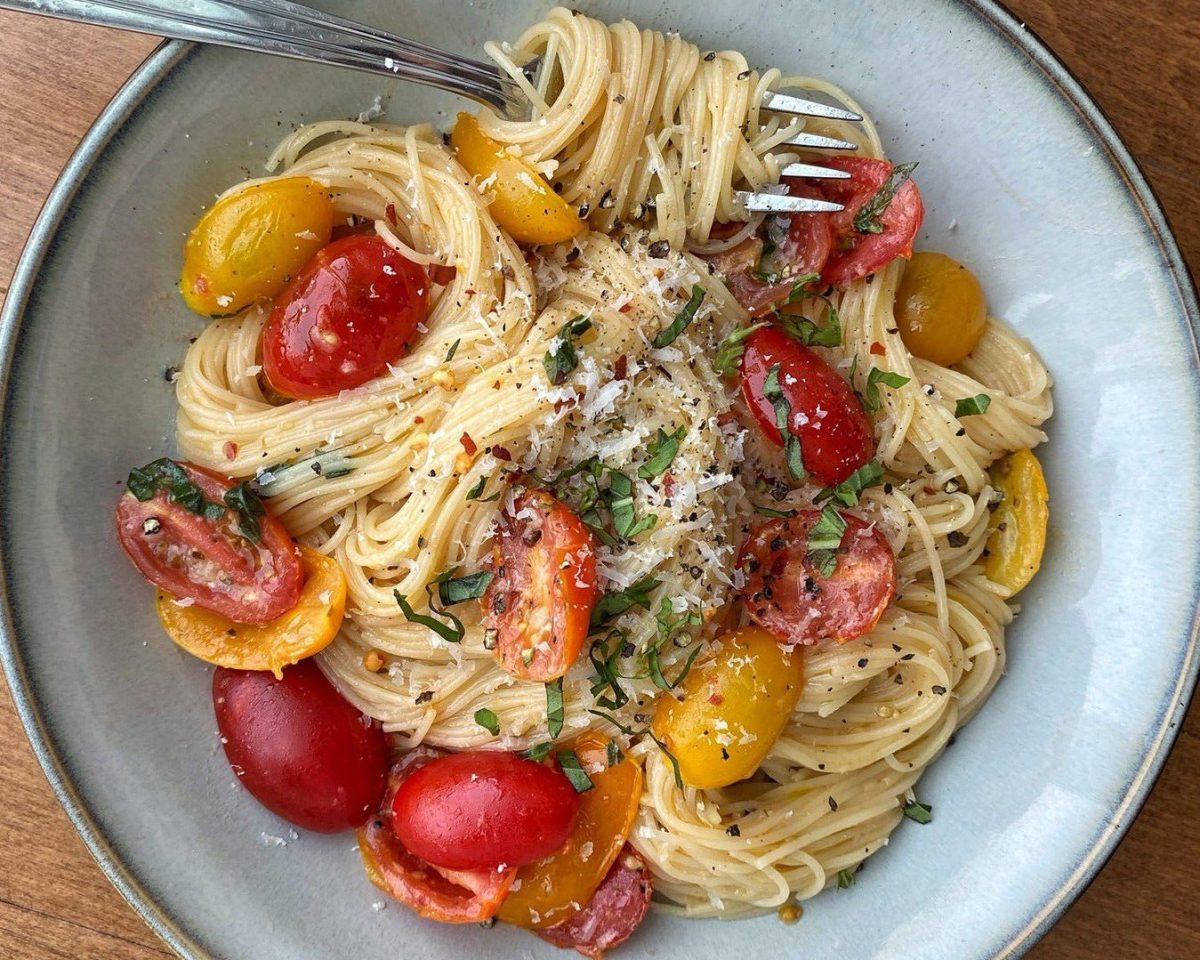
Oil Can Make Things Worse
Although the oil spends most of its time floating above the pasta, the two may finally meet when you drain the pot. As the noodles pass through that surface layer, they will likely get a thin oil coating.
The obvious drawback here is that your favorite pasta sauce sticks to noodles partly because of the starch remaining on their surface. And a film of oil creates a slippery barrier between the pasta and the sauce.
