The Pasta “Rule” That’s Actually Ruining Your Sauce (3 of 3)
Advertisement
How to Cook Better Pasta
Cooking great pasta is as plain and simple as they get. Start with an appropriately sized pot, make sure the water is boiling, throw in some salt, and add the pasta.
Stir immediately and again as needed, especially during the first minute or two. When the pasta is ready, pour a cup of that starchy liquid for later, then dump the water. The pasta water is often called “liquid gold” because it helps bring pasta and sauce together.
Chuck the pasta into the pan when your sauce is already waiting, add a small splash of that pasta water, and mix it all together over low heat. This “finishing touch” is often associated with the Italian technique known as mantecare.
When Should You Add Oil?
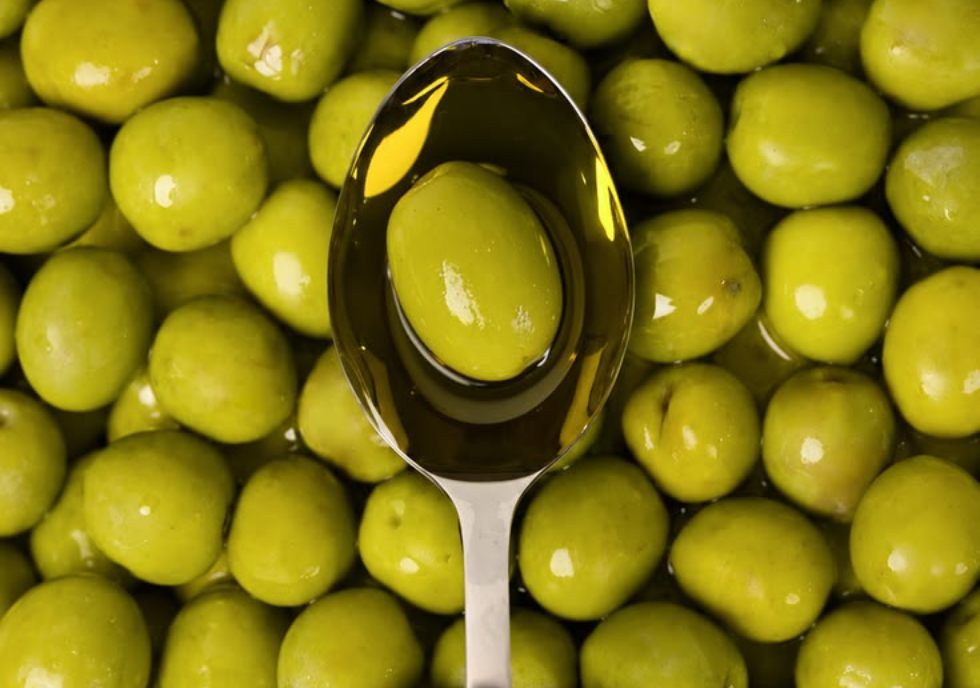
Olive oil still has plenty of uses in pasta cooking. For example, if you’re preparing plain pasta ahead of time for a buffet or meal service, a little oil after draining can reduce clumping, but adding sauce to it later may still prove difficult. However, for a hungry person, this issue is the least important.
It can also be part of certain one-pot pasta dishes, where the noodles cook directly with the sauce ingredients, and nothing is drained. There, the oil combines with the concentrated starchy liquid instead of floating uselessly on top of a large pot of water.
And, of course, olive oil can be added to sauces or drizzled over finished dishes. It may work beautifully with lemon pasta or pasta topped with toasted breadcrumbs, though that may be a bit too bougie.
In short, keep the olive oil out of your pasta water. Use salt for seasoning, stir to prevent sticking, and splash starchy cooking water to help the sauce cling. Or don’t. Ultimately, you are an individual.
