The Pasta “Rule” That’s Actually Ruining Your Sauce
Advertisement
Certain cooking hacks seem to get passed down from generation to generation without anyone stopping to ask whether they actually work. They just become traditions, like adding olive oil to boiling pasta water.
You’ve probably seen someone do it or sing praises about how great this trick is. Supposedly, the oil keeps the noodles from sticking together, prevents the pot from boiling over, or even adds extra flavor. Well, as it turns out, none of those are true.
Not only is pouring olive oil into pasta water a waste of perfectly good oil, but it can also leave you with slippery noodles that refuse to get coated in sauce, and this “trick” is to blame for that.
Why Oil in Pasta Water Doesn’t Work
Let’s state the obvious: oil and water don’t mix. When you pour olive oil into a pot of water, it floats on the surface in a thin, shimmering layer. Meanwhile, the pasta cooks below the waterline. For most of the cooking process, the oil doesn’t even come into contact with the noodles.
So, while your spaghetti is bubbling furiously underneath, that expensive extra-virgin olive oil is basically covering the top-most layer and contributing absolutely nothing.
The oil won’t season the pasta either. Salt dissolves in water and can flavor the noodles as they cook, but oil simply sits on the surface. To get the taste of olive oil, add it to the sauce or drizzle it over the pasta.
And lastly, oil isn’t a reliable solution for boil-overs, either. If starchy foam continues to spill over the edge of your pot, consider using a larger pot, reducing the heat slightly, and monitoring it closely.
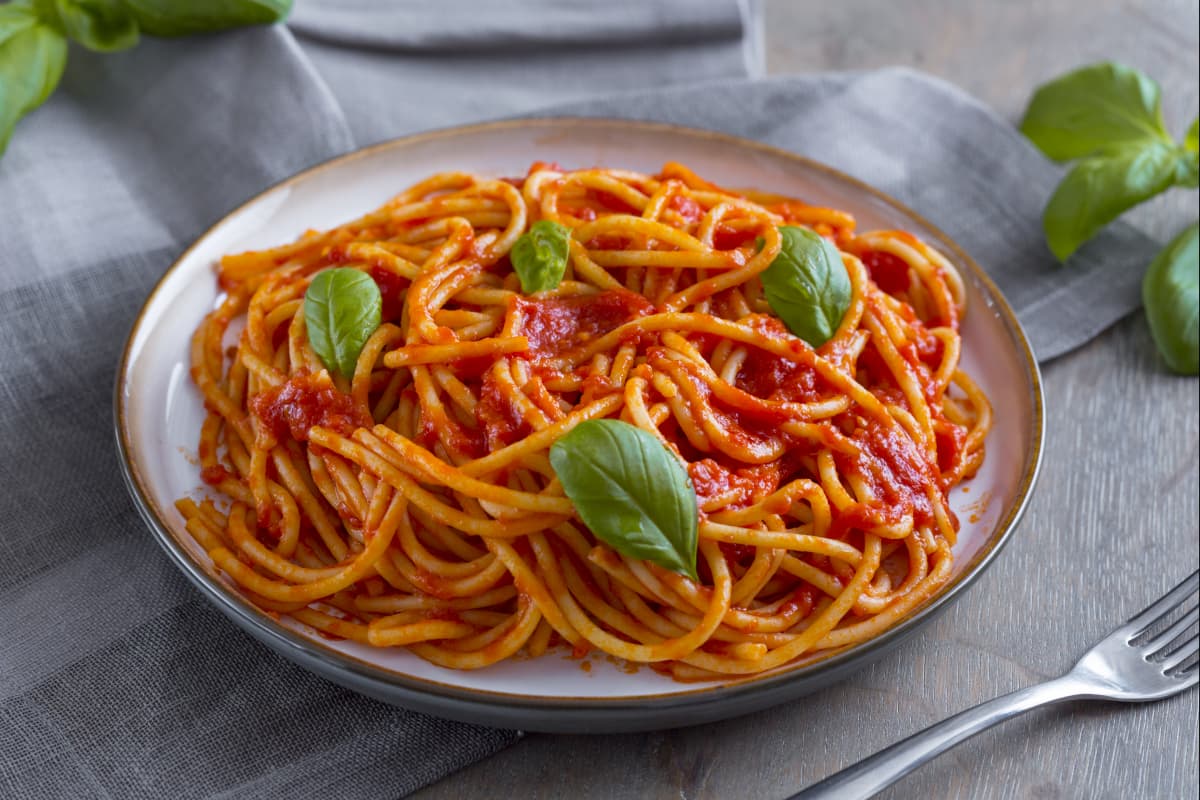 The Pasta “Rule” That’s Actually Ruining Your Sauce
