8 Wild Animals Ancient Cultures Successfully Tamed (3 of 5)
Advertisement
The Mongols of the Steppes (Golden Eagles)
The foxes that dwell among the Mongolian steppes, prized for their warm furs during the brutal winter cold, are notoriously difficult for humans to hunt on their own. But an ancient nomadic tribe, known as the Burkitshi, or “Eagle Hunters,” discovered that they could outsource this job to the golden eagle, the ultimate sky predator with a giant wingspan and mighty talons. As a rite of passage, a young Burkitshi man would make the dangerous trek up a high cliff to snatch a young female eaglet from her nest (females are much bigger and more aggressive than males), and hand-feed and speak to her for months so that she would become accustomed to their voice. While riding down the valley to flush foxes out of hiding, the eagle then chases them down and gives it to their human in exchange for a piece of meat. This human/eagle partnership continues to this day.
The Aztecs of Mesoamerica (Turkeys)
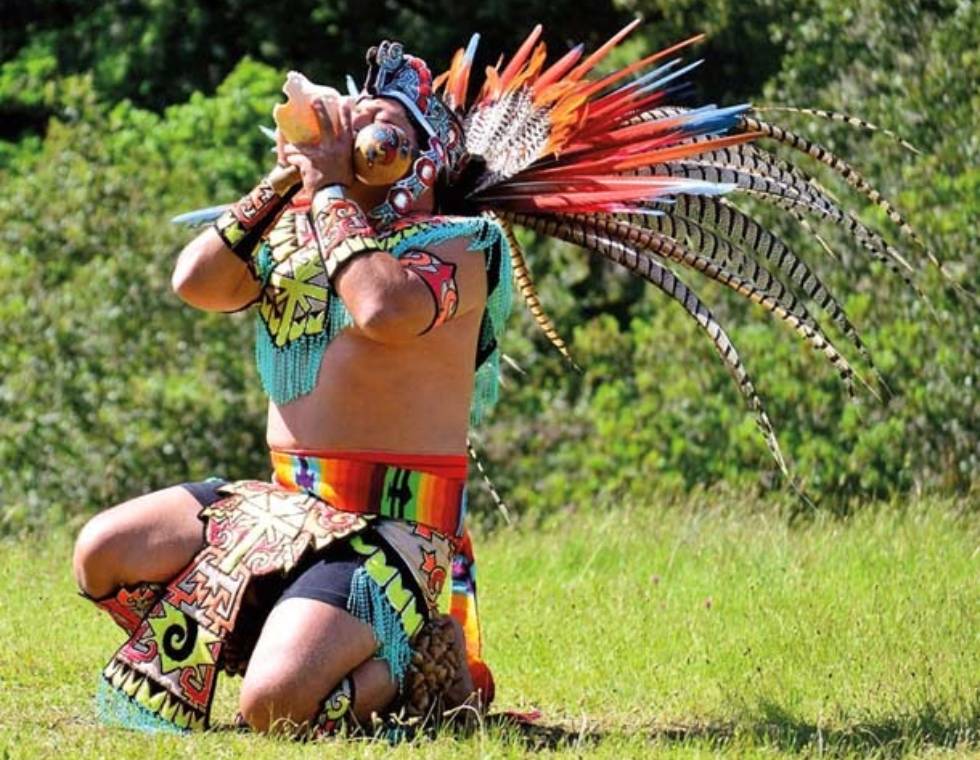
These days, turkeys are associated with both Canadian and U.S. Thanksgiving meals, but hundreds of years ago, they played such an important role in Aztec life that the Aztecs fully domesticated them. Aside from providing the population with sustenance, the feathers were used in decorative clothing and ritual items. They were also often sacrificed to the gods, which might not have been a great thing from the turkey’s perspective, but it nonetheless demonstrates just how valued they were amongst the people of Mesoamerica.
