What Began as a Wall Stain Became a Shrine: The Chicago Miracle Officials Still Can’t Explain (4 of 4)
Advertisement
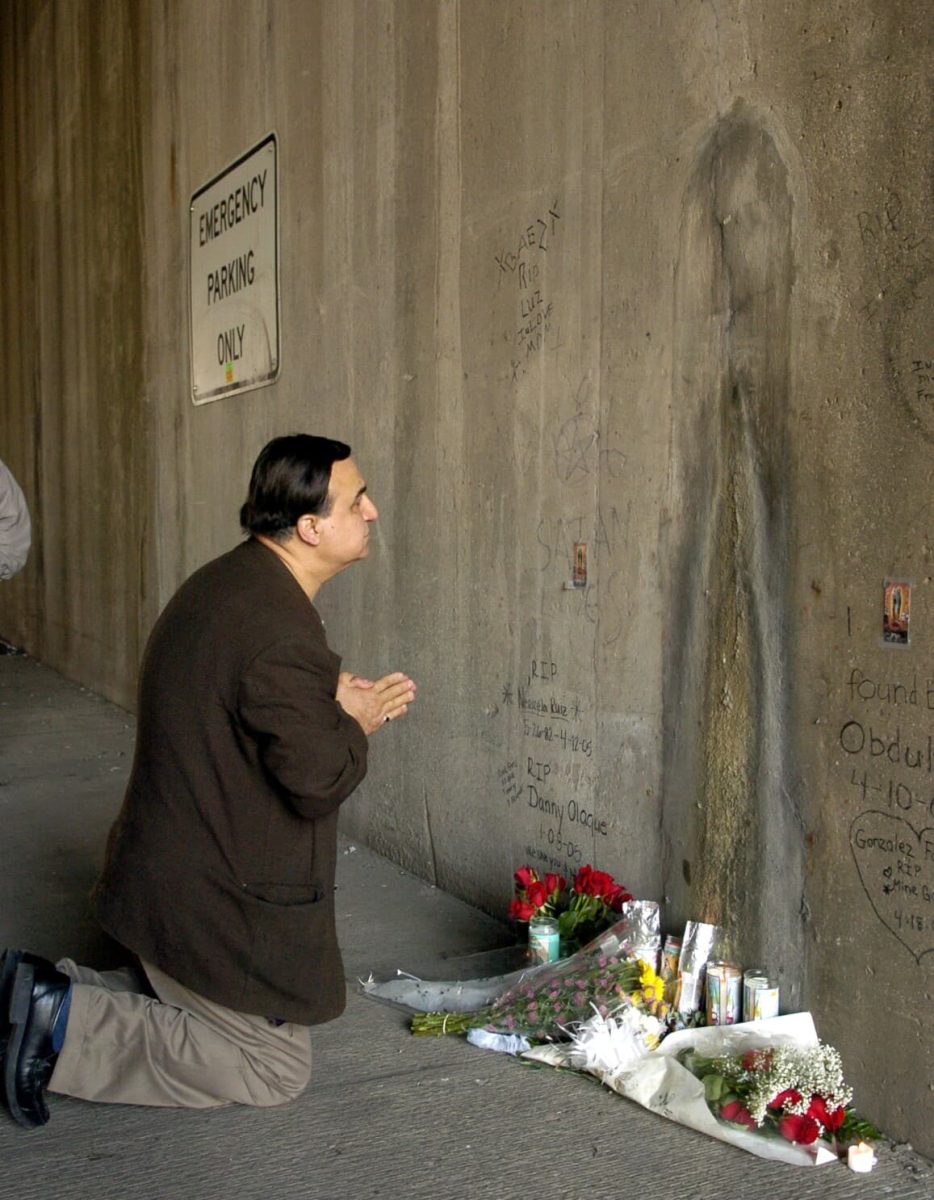
Skeptics still scoff, and perhaps they always will. Chicago has no shortage of hoaxes, hustles, and holy curiosities. But what lingered here wasn’t the shape on the wall; it was the behavior it inspired. Strangers lowered their voices. Tempers softened during rush hour. People with nothing else in common shared lighters, stories, and silence. Even the jokes carried warmth, the way Chicago ribs the things it secretly loves. A miracle doesn’t have to defy physics, believers insist. Sometimes it simply bends people—toward patience, toward kindness, toward the stubborn belief that suffering is not the final word.
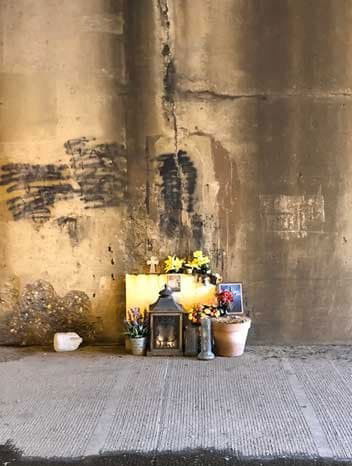
And still, people come. They stand at the fence, fingers wrapped around cold metal, peering through gaps to glimpse the wall beyond. The state insists repairs never altered the image itself. Maybe that’s true. Maybe it doesn’t matter. The debate was never really about a stain. It was about whether hope is allowed to appear uninvited, beneath an overpass, in the middle of rush hour. Chicago answered in its own imperfect way—with sarcasm, graffiti, prayer, and persistence. And somewhere beneath the roar of engines, “Our Lady of the Underpass” still asks an uncomfortable question: if grace can survive there, what excuse do the rest of us have?