Pierre Poilievre — Future Prime Minister of Canada? (2 of 3)
Advertisement

He got his start in politics as a teenager, knocking on doors and handing out leaflets in support of local Conservative candidates. It was during his time as a student at the University of Calgary, where he was majoring in international relations, that he met Stockwell Day, a cabinet minister in Harper’s government. Day was immediately impressed and took him under his wing.
On a cold winter evening in 2004, Poilievre entered Day’s office and asked what he thought about the 25-year-old running for parliament. A few months later, the young upstart pulled off a massive upset, defeating incumbent and sitting Minister of National Defence David Pratt. Twenty years later, Poilievre still holds that seat.
Not Your Average Canadian Nice Guy
It is often joked that Canadians have developed such a reputation for being exceedingly polite that they will apologize even when they’ve done nothing wrong. However, Poilievre has no interest in being “Canadian nice.” In fact, he quickly earned the nickname “Skippy” by both his supporters and opponents due to his youthful enthusiasm and “never back down” philosophy. His no-nonsense manner of speaking resonated with disaffected voters at a time when former Prime Minister Justin Trudeau and the Liberals were deeply unpopular. However, he also turned off a lot of people when, in 2022, while speaking in Parliament, he termed Trudeau a “wacko,” earning him time in the House of Commons “penalty box,” so to speak.
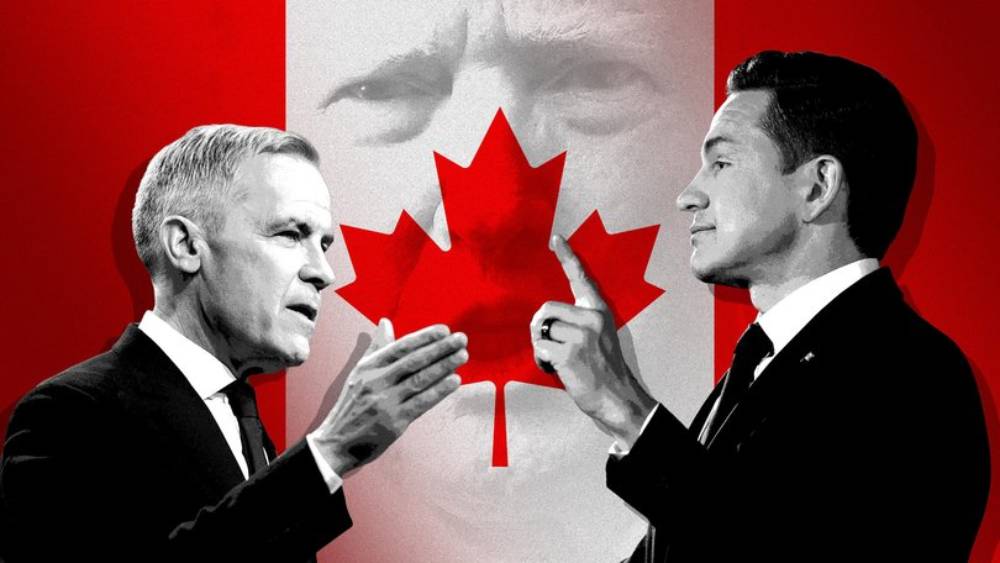
The way he saw it, eschewing “politsee” was a virtue; a way to stand up to the establishment elites. Fast forward to early 2025, and standing in the way of becoming Prime Minister of Canada was Liberal Party leader Mark Carney, who, unlike Trudeau, was well-liked and respected for his background as a technocrat. That being said, in the months leading up to the election, the Conservatives had built up a sizable lead over the Liberals to the degree that it appeared it might be a landslide victory. But then came the shock when the Liberals secured victory yet again.
The Populism Problem
In theory, Poilievre’s form of firebrand politics can be effective, especially when everyday Canadians feel like their concerns aren’t being addressed. However, Donald Trump’s return to the White House posed a significant challenge to the Conservative leader’s ambitions. As disenchanted as many voters might be with the state of things in Canada, they are even more angry and frustrated with the president’s “51st US state comments” as well as the trade war he launched.
