California Made Gavin Newsom Famous. But Could It Also Be A Liability in 2028? (3 of 4)
Advertisement
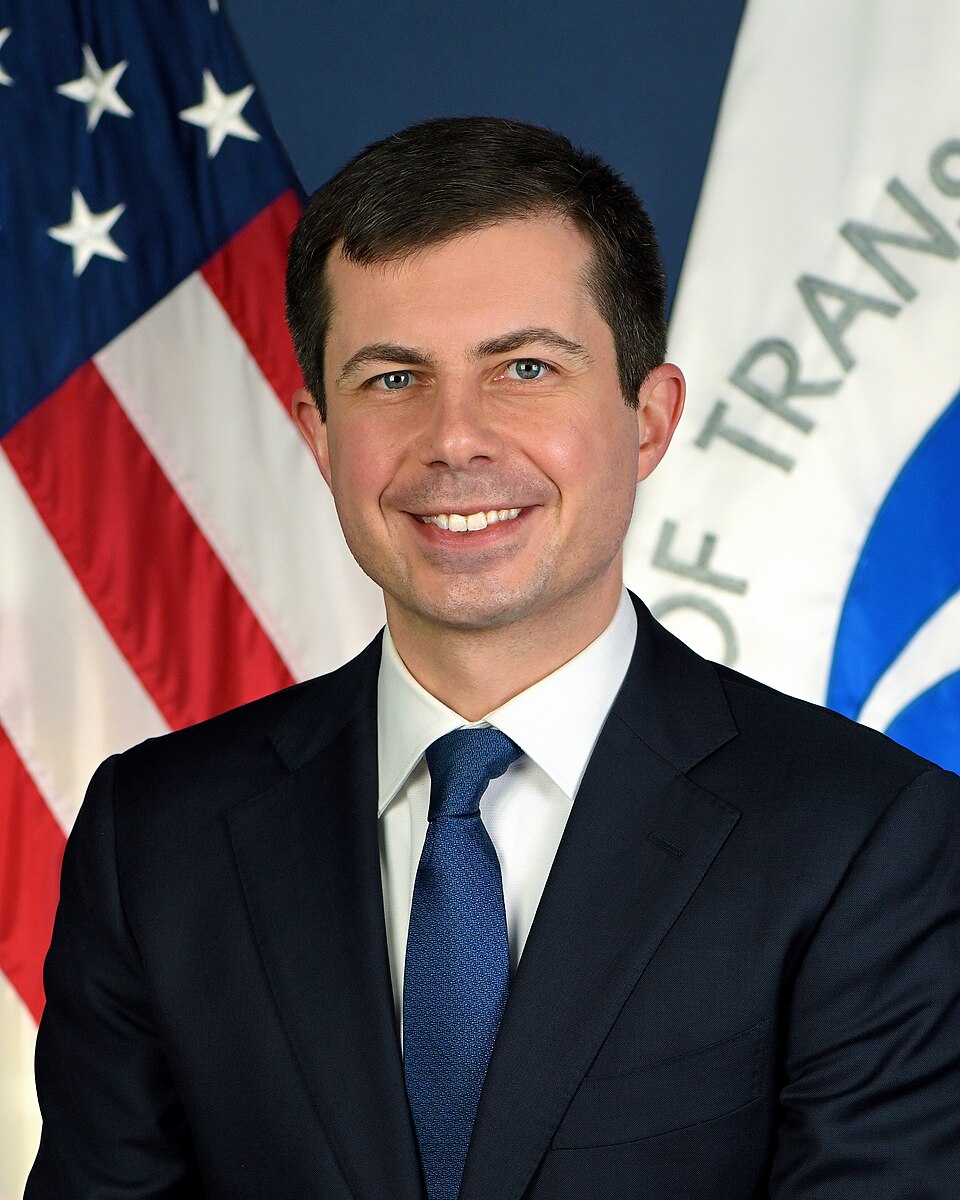
California is synonymous with left-wing politics to many Americans, particularly in conservative parts of the country. That association could make it challenging for Newsom to present himself as a candidate who can appeal beyond the Democratic base. Potential rivals such as former Secretary of Transportation Pete Buttigieg and Pennsylvania Governor Josh Shapiro have an opportunity to seize on this by arguing they come from politically competitive states where having the ability to win over moderates and independents is essential in a national campaign.
Newsom’s team is certainly not blind to this problem. Indeed, his allies have even adopted the term “California derangement syndrome” to describe what they see as the reflexive hostility toward the state. However, those concerned about Newsom’s prospects have a valid argument. In recent decades, hailing from California has been a curse. Since Ronald Reagan became president after serving as California governor, several prominent Californians have pursued the White House but couldn’t quite get there, including former governors Pete Wilson and Jerry Brown, businessman Tom Steyer, and former Vice President Kamala Harris. For his part, Newsom intends to embrace California as part of his identity.
You could be forgiven if you mistook his recent trip to South Carolina for a presidential campaign. He made numerous public appearances, held private meetings, and visited other Southern states as part of his “Take It Back” tour, which is focused on rallying Democrats ahead of the 2026 midterm elections. His message largely centered on confronting President Donald Trump.
Newsom repeatedly attacked Trump’s sketchy economic and business dealings, his deployment of the National Guard to Los Angeles and other cities, federal immigration enforcement, and efforts affecting voting procedures. The governor’s broader message was that Democrats cannot respond to Trump’s politics the way they might with a conventional politician.
That combative approach appears to be one of Newsom’s more recognizable strengths. Some South Carolina Democrats who attended his rallies were impressed by his willingness to confront Trump even while questioning whether his California image would translate nationally.
Republicans in the state naturally made the California connection the centerpiece of their criticism. Protesters outside Newsom’s appearances carried signs portraying him as a representative of the “wrong coast” and arguing that he should address California’s problems before attempting to export its politics elsewhere.
